Our goal
This unique course delves into the complex subject of Indigenous child displacement (the Indian Boarding School, Foster Care, Adoption) by employing archival and arts based research methods and centering storytelling in a variety of oral and artistic expressions and forms. Our collaborative work engages with Native American and Canadian elders, experts, scholars and students online and in person, with Algoma University in Sault Ste. Marie hosting our journey to Canada for first hand experiences and studies. The twofold approach underlines our deep commitment to understanding the historical roots of contemporary struggles and advocating for Indigenous initiatives, rights, and ways of being. This website is driven by a deep commitment to historical truth, cultural sensitivity, and a desire to contribute to meaningful change through education and advocacy.
Positionality
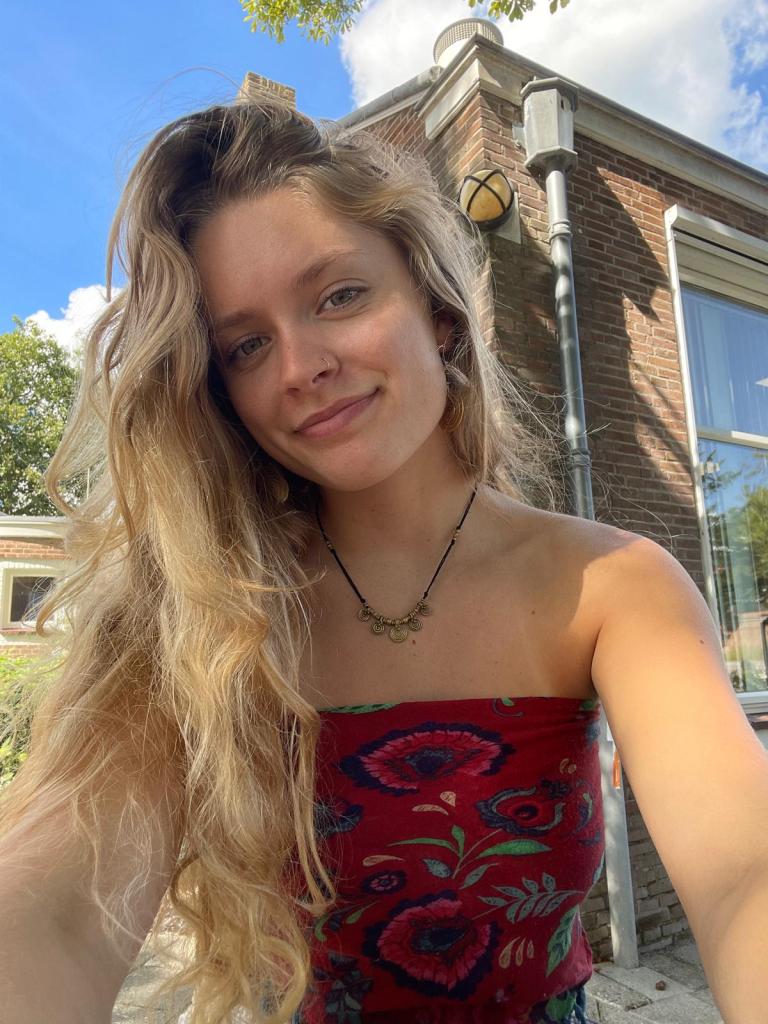
Violet
I am Violet, an international student at University College Roosevelt and contributor to this website. Originating from the United States, I was raised between California and Hawaii. Identifying as a white female, I acknowledge my privilege and recognize that I have always resided on illegally occupied land, which rightfully belongs to indigenous peoples. This awareness shapes my approach to taking up space and engaging with various contexts.While I cannot claim to fully understand the experiences of those who have been oppressed, it is my commitment to remain conscious of my positionality. My goal is to create space for marginalized voices to be heard on this platform and to facilitate learning processes for myself and my peers.I strive to navigate my role with humility, recognizing the importance of amplifying underrepresented perspectives and fostering an inclusive dialogue.

Saswot
As a Queer Person of Color from Nepal’s Newa Community, navigating my personal life in a predominantly white and a country with a long history of colonialism posed challenges. Encountering racism and discrimination fuelled my anger until I found guidance from professors and this course “Stolen Lives.” This course provided a safe space to explore Indigenous stories, helping me reconnect with my identity and inspiring me to work alongside Indigenous and marginalised communities.

Aija
My name is Aija, I was born and lived most of my life in Latvia, later on moving to the Netherlands. Growing up as a white, cisgender, able-bodied individual from a high socioeconomic position and a Western-centered education, I have learned to recognize my privilege, and how I can use my position in society for good. Thus, I do not claim to speak for Indigenous communities, but rather use my positioning to emphasize the unheard voices.
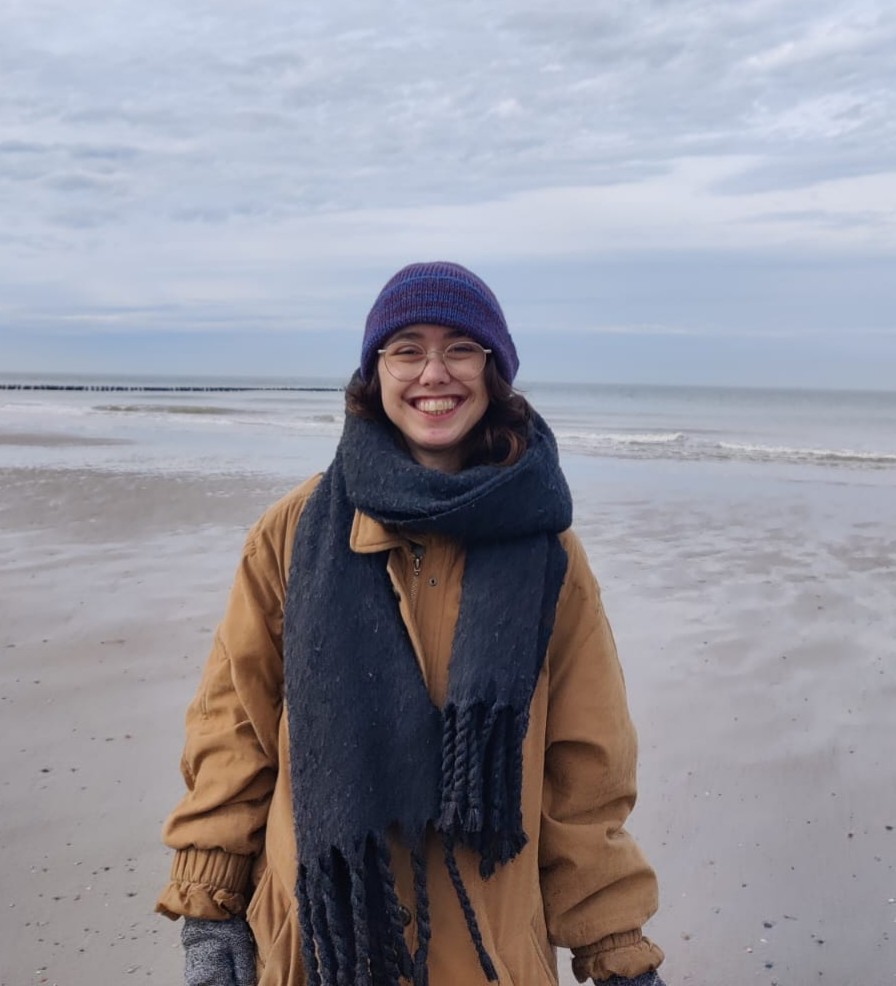
Miriam
As a European student engaging with Indigenous history, my positionality is one of critical reflection, respect and compassion. Being a white, cisgendered and able-bodied woman from German middle class origin my life experiences have inevitably influenced how I perceive issues, often through a biased lens. I am committed to confronting and dismantling these unconscious biases through my ongoing education. However, when researching topics related to the Indian Residential Schools as someone who is not Indigenous, it’s crucial for me to recognize the limitations of my understanding and acknowledge the privileges I possess. I approach the opportunity to learn with humility and gratitude for everything that is shared with me and letting me grow.
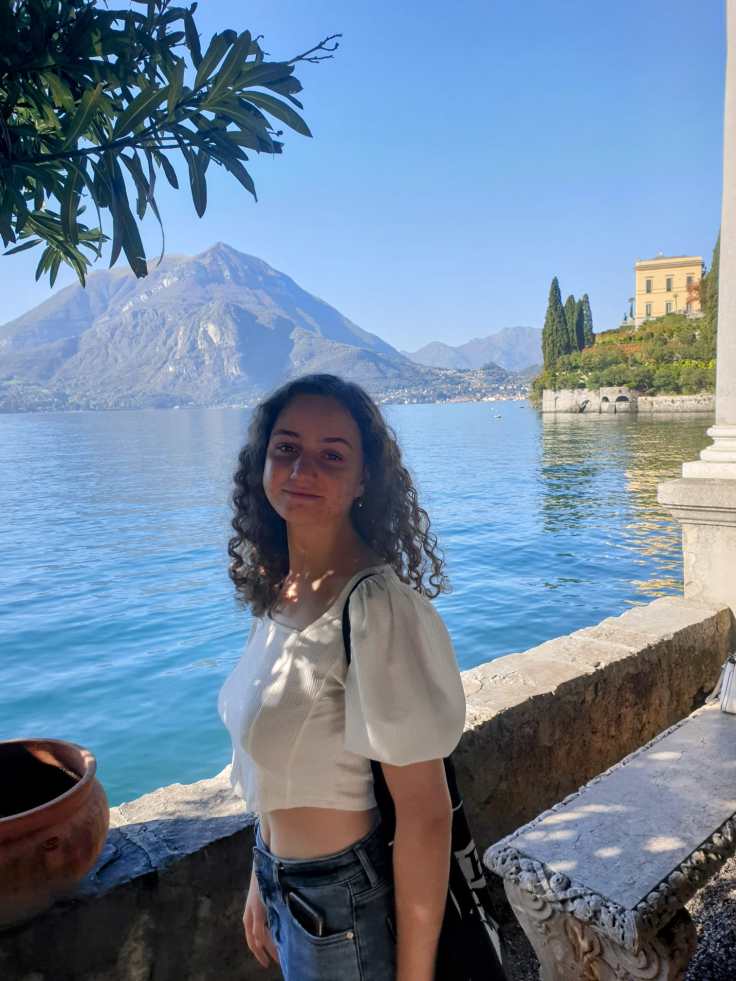
Valérie
I am Valérie, I was born and raised in the Netherlands by my white Dutch parents. As a white queer able-bodied cisgendered woman, I aim to recognize and address the (un)conscious biases that shape my perspective. Through education and experience, I strive to learn and unlearn patterns of thought and continuously grow in my journey towards decolonization. While working on this project, I have been honoured to be able to learn and listen to Indigenous stories and history. However, I recognize that there are limitations to my understanding and the position of privilege I hold when amplifying their voices.
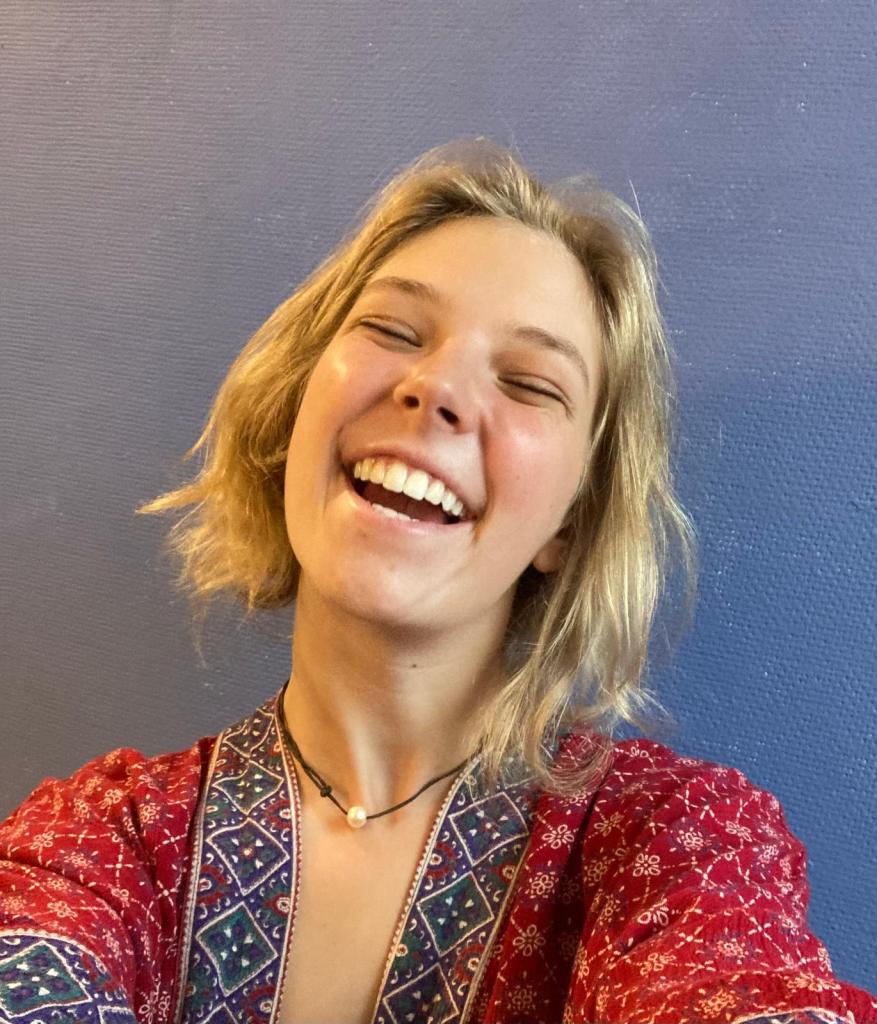
Sophie
Born in Mexico to a Swiss mother and an American father, I was partly raised by Gregoria, a local Mexican housekeeper. From an early age, I learned to navigate between two contrasting realities: the “imaginary Mexico,” influenced by Western materialism and individualism as presented by my parents, and the “Mexico Profundo,” which Gregoria introduced me to, grounded in communal values, spirituality, and a deep connection to ancestral memory. This early experience of cultural duality shaped my understanding of the world, guiding me toward studies in Sociology, Law, and Politics in the Netherlands. These studies deepened my awareness of the complexities of cultural identity and social structures, enriching my ability to connect with diverse ways of feeling, knowing, and living. As a non-Indigenous white woman, my positionality in this project on the historical and ongoing impacts of Indian Residential Schools in Canada is grounded in a commitment to indigenous allyship. I aim to listen actively, learn continuously, and contribute to the collective healing process and responsibility that honours respect, kindness and honesty. In doing so, I strive to support Indigenous voices, perspectives, practices, and ontologies while recognizing my limitations and respect the boundaries inherent in my position as a non-Indigenous white woman.
Lotta
As a European student engaging with Indigenous history, my positionality is one of critical reflection, respect and compassion. Being a white, cisgendered and able-bodied woman from German middle class origin my life experiences have inevitably influenced how I perceive issues, often through a biased lens. I am committed to confronting and dismantling these unconscious biases through my ongoing education. However, when researching topics related to the Indian Residential Schools as someone who is not Indigenous, it’s crucial for me to recognize the limitations of my understanding and acknowledge the privileges I possess. I approach the opportunity to learn with humility and gratitude for everything that is shared with me and letting me grow.
Jay
Hello, I am Jay and I come from Belgium. Growing up as a white person with a Belgian nationality in the multicultural city of Brussels led me to experience privilege which I was not always aware of and am still today not always lucid about. In the class “Stolen Lives: Indian Boarding Schools“ I had the opportunity to build my knowledge of Canadian Indigenous tribes cultures and listen to the testimonies of survivors of residential schools leading me to realize how cultural genocide leaves its mark and colonial settings and practices in Canada, Belgium and all around the world are ones we are all faced with. Thus, decolonization becomes primordial in each one of our lives. Though my knowledge is limited and my biases as a white and non-indigenous prevailing, building this website is to me a stepping stone in this decolonization process.
Camila
My experiences as a white European hispanic straight-passing cisgendered queer able-bodied woman have shaped my perceptions and inevitably given me a biased lens through which to view issues. Through my education, I strive to address and eliminate these unconscious biases, but as a non Indigenous person, it is essential to acknowledge the boundaries in my understanding, as well as the privileges I hold. I am honored to be able to learn, and aim to continue my journey towards decolonization with kindness and compassion.
Sara
To address my positionality, I am a non-Indigenous woman, born and raised in Spain with a Dutch mother and a Venezuelan father. As a cisgendered, white-presenting, biracial, queer, able-bodied woman living in Europe I recognize the privilege I hold and which shape my experiences. I am aware of the biases this can bring to my perception of others’ experiences and therefore I strive to approach my learning and unlearning journey with respect, kindness, compassion, good intention and reciprocity.
Rosalie
I acknowledge my standpoint as an educated caucasian woman, having both Dutch and American ancestry and with belief in the Judeo-Christian God. I will never be able to fully understand the difficulties faced nor lifeways practiced by indigenous communities as I am an outsider, but where permitted, wish to come along as an ally. I acknowledge that my positionality influences my beliefs and views of the world and of people, but set out to always learn from and seek to understand viewpoints other than my own, with an open mind and heart.
Quinn
I was born in Warrane (so-called Sydney), Australia on the land of the Gadigal and Bidjigal peoples to two white Australians, and I lived primarily in Bangkok, Thailand, as well as Amman, Jordan before moving to the Netherlands. Growing up in cultures that were not my own allowed me to become familiar with diverse ways of navigating life; however, as a white middle class able-bodied person, I recognize that I occupy a position of privilege, and that this privilege has shaped how I view the world and other people in it. I strive towards uncovering these (un)conscious biases and unlearning them through listening to and amplifying indigenous voices while acknowledging that there are limits to my understanding due to my position of privilege. I strive also to approach this process of decolonization with respect and compassion.
Febe
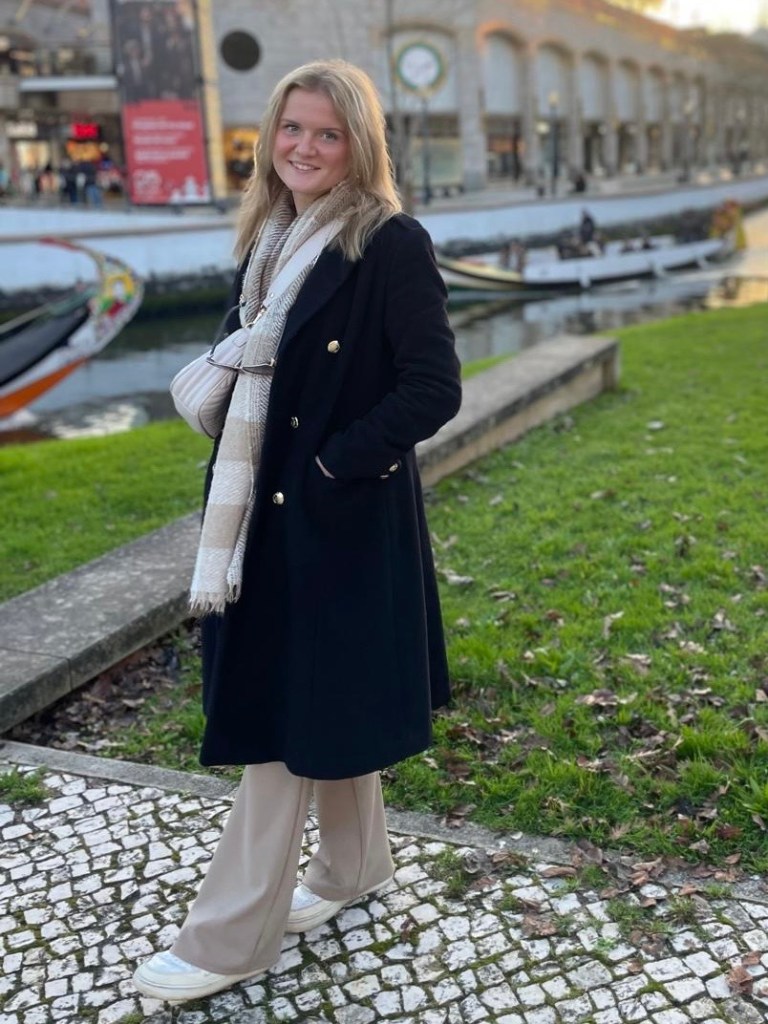
As a white, straight, able-bodied woman originating from a small Belgian town near the Dutch border, my journey is shaped by the intersections of my upbringing, socio-economic status, and educational background. Growing up within the confines of a predominantly white community and a Western-centric education, I have been exposed to a lens through which the world is often viewed. I strive to navigate my role in this website with humility, acknowledging the limitations of my understanding while actively seeking to amplify marginalized voices and dismantle systems of oppression.
Alyssa
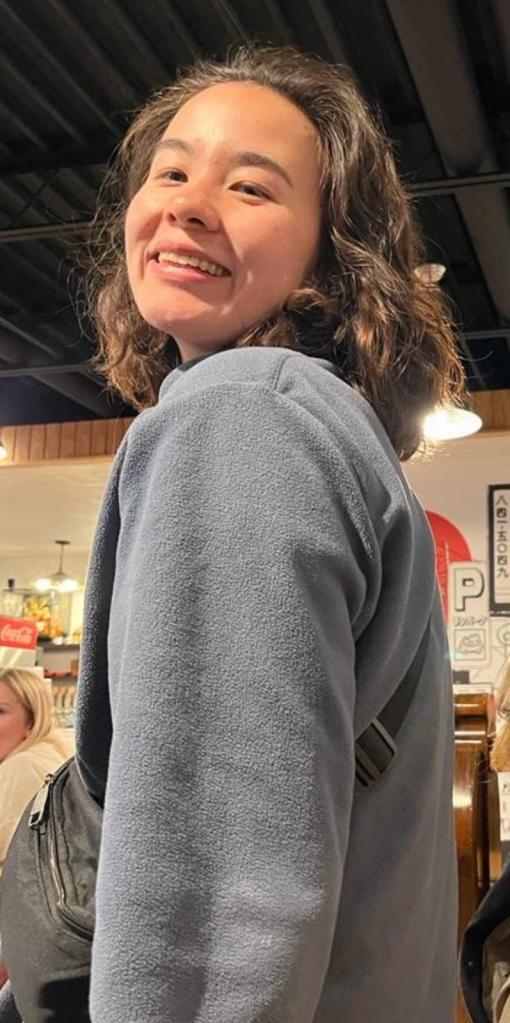
Hi, my name is Alyssa. I am an able-bodied cis-gendered woman currently living in the Netherlands. My parents are Hungarian and Chinese, and I grew up having spent time in both countries. I am not Indigenous and come from a background of privilege that un(consciously) influences my experiences, exposures, and biases. I strive to continue my journey of learning with kindness, compassion, and continuous re-evaluation.
Paula
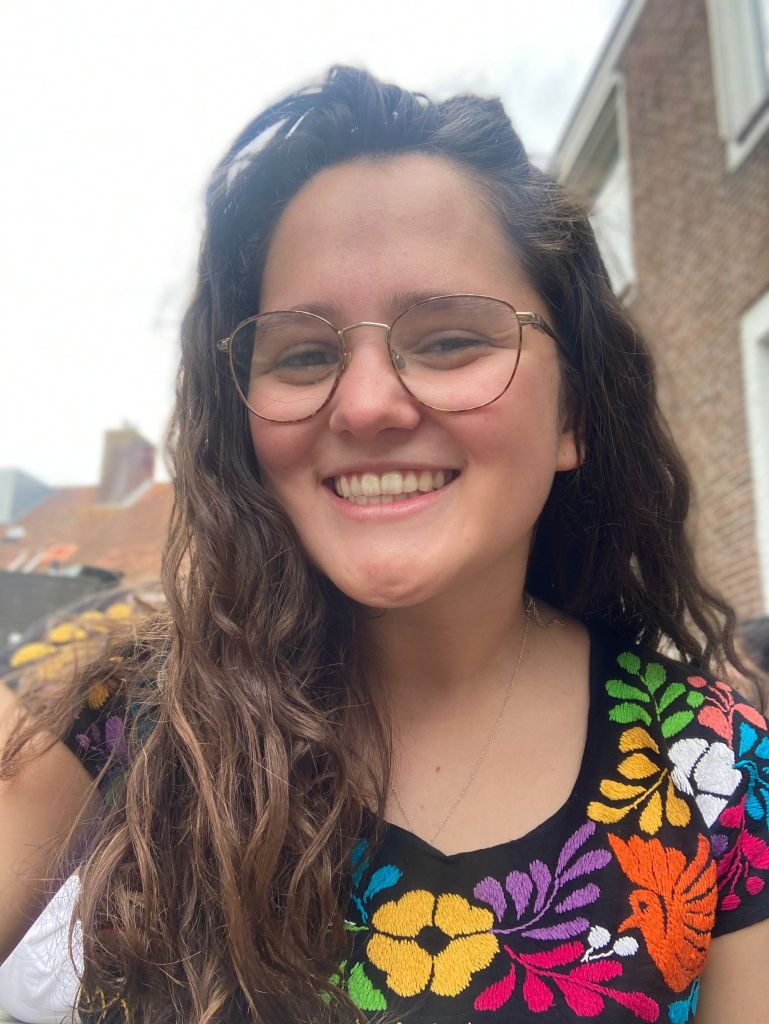
I was born and raised in Querétaro, México, by a Spanish-Meztiso family. I grew up with my family until the age of 14 in a world highly influenced by Western beliefs and values. When I moved away to pursue opportunities abroad. Since then, I’ve lived in over 16 countries, exploring various cultures and ways of life that have expanded my perspective on how the world works and fueled my curiosity to learn from and alongside people from all backgrounds. Having mixed heritage myself yet being white presenting and being brought up in a privileged socioeconomic background, I have a personal goal of learning about the hidden stories of the past and in the present. I aim to be an approachable and proactive ally and accomplice. By actively listening to survivors’ stories, amplifying their voices, actively learning, and following non-Western ways of life while acknowledging my biases, limitations, and the influence my surroundings living in the Netherlands have had on me.

Yuri
I’m Yuri, a French and Portuguese queer man from Bruxelles. Coming to this class centered on Indigenous history, I am aware of my privileged position as a white cis-gender able-bodied person. My goal this semester was to learn from the stories we got to hear, and to bring help wherever needed. In this process, I have been able to slowly unlearn biases that I had inevitably constructed growing in a white culture still rooted in colonial thinking.
Lara
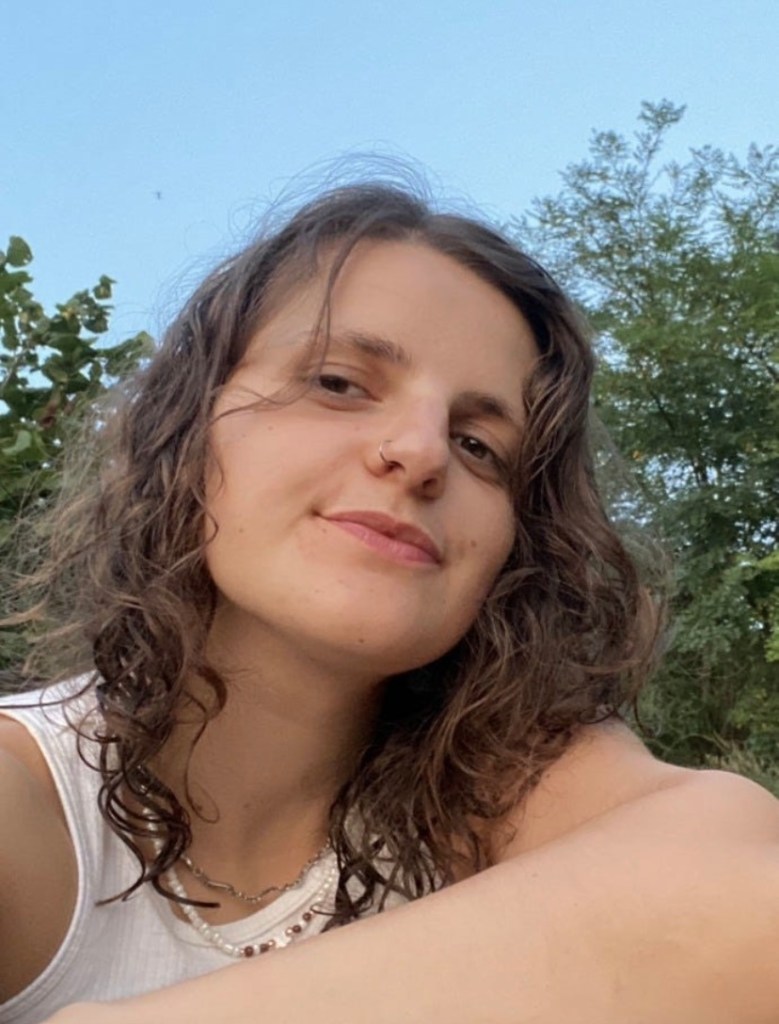
As a white, able-bodied, queer European person with Luxembourgish and Portuguese roots, my upbringing has shaped my thinking and given me a biased lens through which I see the world. I aim to eliminate these biases through education. However, as a non-Indigenous, it is important for me to acknowledge my limitations in understanding. I am beyond grateful to be on this journey of learning about and with different cultures.
Nancy
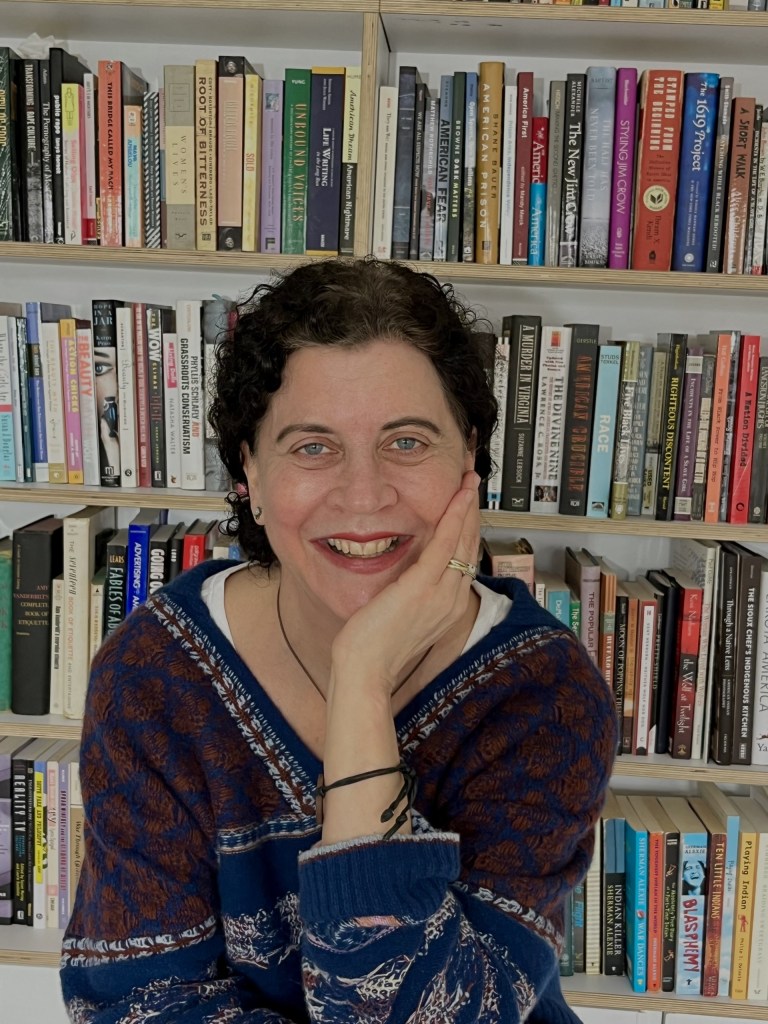
Among ….several important reasons to join this course was to learn ways to decolonize my own mind.
Anonymous Student
 Stolen Lives