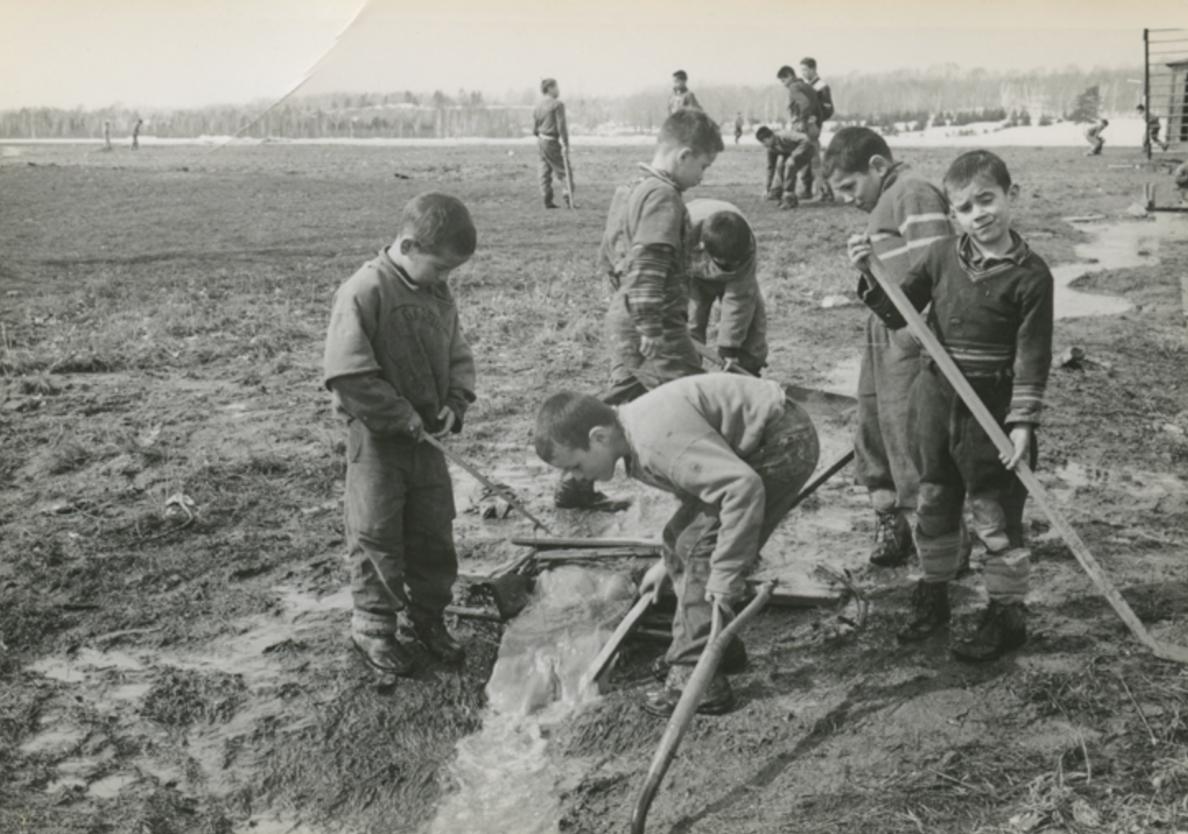
Indian Residential Schools in Canada employed a systematic focus on agricultural practices as a cornerstone of their assimilation efforts. Until the 1940s, most of these schools operated on a half-day system, with students spending half their time in classrooms and the other half engaged in farm labor and manual tasks, predominantly assigned to boys. This emphasis on farming often detracted from academic study, framing it as “vocational training.” However, it masked a grim reality: the exploitation of Indigenous children through involuntary and uncompensated labor, supplementing inadequate government funding. Farm work became a tool of discipline and control, with disobedient students subjected to extra chores or punishment tied to agricultural labor, disregarding their well-being and rights.
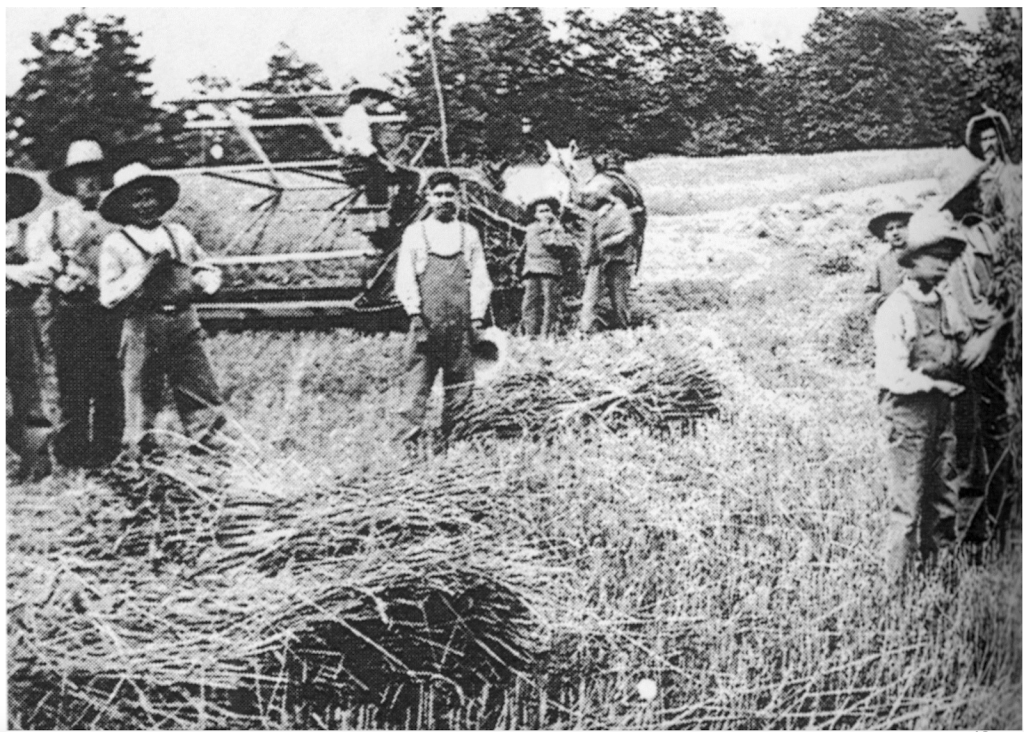
Colonial agricultural practices, such as monoculture farming and the domestication of animals, led to environmental degradation and loss of biodiversity. The ‘colonization of the mind’ in Indian Residential Schools was achieved by systematically replacing Indigenous knowledge and practices with Western agricultural methods. This educational approach disconnected Indigenous children from their cultural roots and sacred land, reorienting their understanding and relationship with the environment and community toward capitalist values. This transition often resulted in detrimental effects upon Indigenous peoples’ ways of life, cultural identities, and relationships with the land.
Video made by students to introduce farming at residential schools
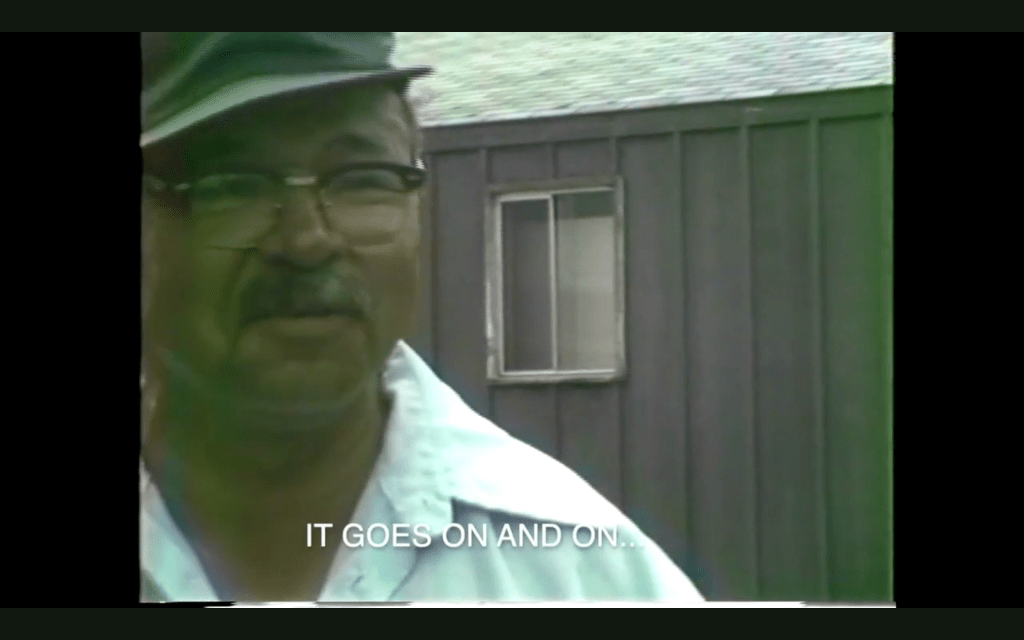
Video made by students on archival footage:
Explanation
two parts of the video: one featuring a survivor filmed in the 1980s, and another presenting a letter from a boarding school student from the late 19th century. Both offer insights into the daily realities of these schools and highlight the central role of farming, which evolved into a commodity over time.
References
Bourassa, C. (2004). Colonization, racism and the health of Indian people. In Prairie Forum (Vol. 29, No. 2, p. 207).
CBC Radio. (2017, October 6). ‘Food being used as a weapon’: The lasting effects of colonialism on Indigenous food. Unreserved.
Edmonton residential school – the children remembered. (n.d.). Retrieved April 2, 2024, from https://thechildrenremembered.ca/school-histories/edmonton/
Evans, I. (2023). This Land Is Your Land, This Land Is My Land: Environmental Education Curriculum at Federal Indian
Schools as a Conduit for Colonial Violence and the Native Resistance and Resilience With Which It Was Met.
McLaughlin, R. (2017). Farming and Child Labour at Mount Elgin Residential School. Retrieved April 2, 2024, from
http://www.davidmckie.com/farming-and-child-labour-at-mount-elgin-residential-school/
Milloy, J. S. (2017). A national crime : The canadian government and the residential school system. University of
Manitoba Press.
Miłosz, M. (2020). Simulated Domesticities: Settings for Colonial Assimilation in Mid-Twentieth-Century Canada.
Universities Art Association of Canada. 45(5) https://www.jstor.org/stable/10.2307/26965796
Mintz, C. (2019, April). The history of food in Canada is the history of colonialism. The Walrus.
Wood, S. K. (2023, October 6). What will it take to make traditional foods thrive again? The Narwhal. First Nations fight to bring traditional foods back to the table | The Narwhal
 Stolen Lives
Leave a comment